
Disclosure: As an Amazon Associate I earn from qualifying purchases. How this site works
Where to Buy Fishing Rods
Each category below links to current listings on Amazon (opens in a new tab). Use this checklist to compare fishing rods before you buy.
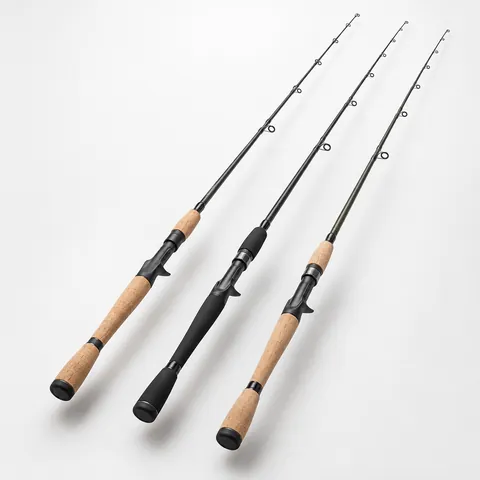 Bass rods — 7 ft medium-heavy, fast action
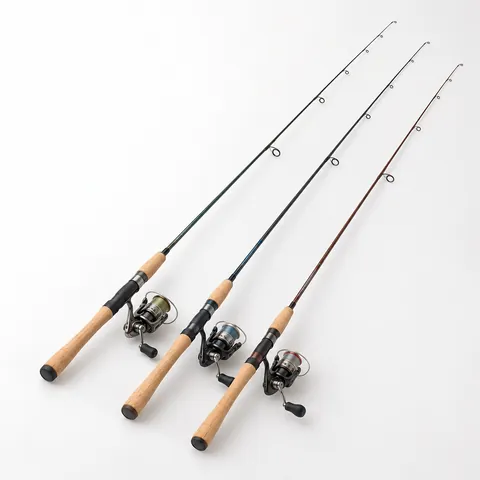 Ultralight trout rods — 5 ft 6 in – 6 ft 6 in
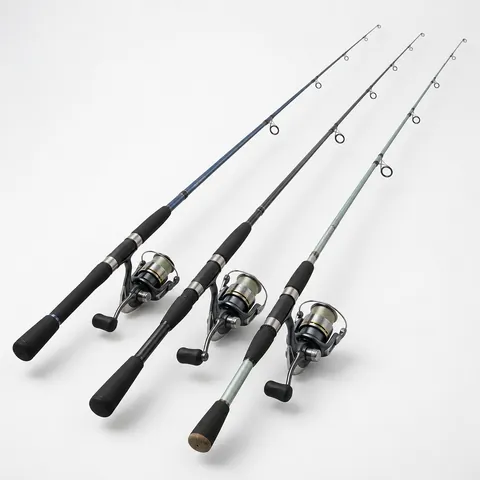 Inshore spinning rods — 7 ft – 7 ft 6 in medium
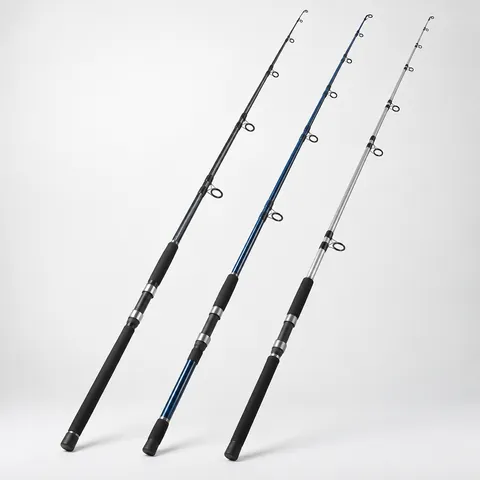 Surf rods — 9–12 ft
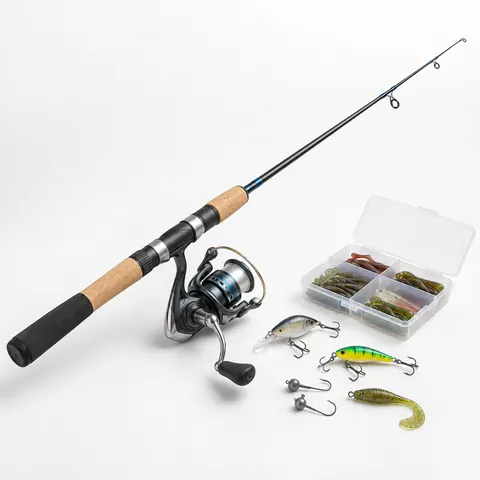 Beginner spinning combos
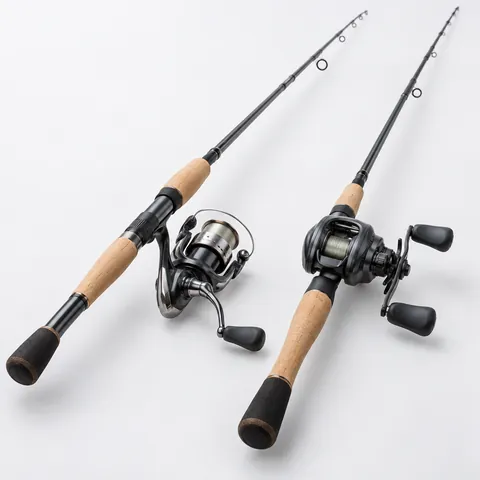 Spinning and baitcasting rods compared
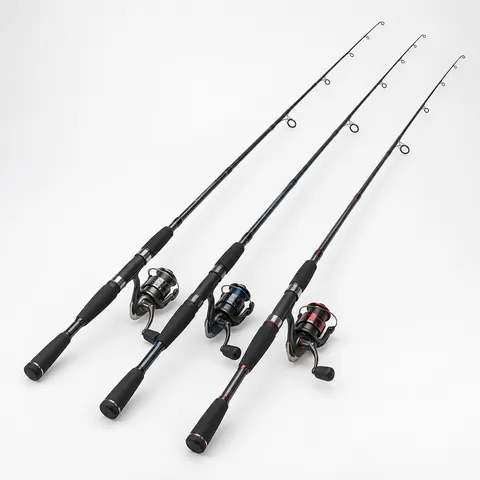 Spinning rods
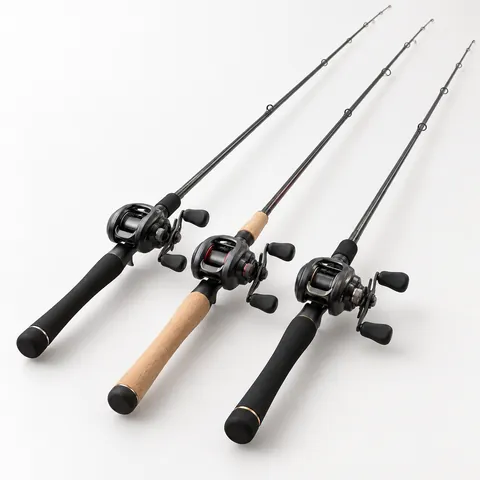 Casting rods
How to compare listings
- Match the rod type (spinning or casting) to your reel.
- Check length, power and action against the recommendation for your fishing.
- Confirm the line and lure ratings printed on the rod.
- Look at the warranty and return policy.
- Read the product description for guide material and number of pieces.
Categories referenced on this site
- Bass rods — 7 ft medium-heavy, fast action
- Ultralight trout rods — 5 ft 6 in – 6 ft 6 in
- Inshore spinning rods — 7 ft – 7 ft 6 in medium
- Surf rods — 9–12 ft
- Beginner spinning combos
- Spinning and baitcasting rods compared
- Spinning rods
- Casting rods
Buying locally
Local tackle shops can let you feel rods with a reel attached, recommend setups for local waters and often spool line for you. Big-box sporting goods stores carry a wide range of combos, and online retailers offer the widest selection. Whichever you choose, check the specifications rather than relying on the label “best”.
Is it better to buy a fishing rod online or in a store?
The better choice depends on what you need to verify before buying. If you already know the exact length, power, action, and reel type you want, online shopping is efficient and gives you more models to compare. If you are unsure how a rod should feel in hand, a store visit is useful because balance, grip shape, and handle length are hard to judge from photos.
| Buying option | Best for | What to watch |
|---|---|---|
| Local tackle shop | Getting local advice, matching a rod to nearby water, checking feel with a reel | Smaller selection than large online stores |
| Big-box sporting goods store | Seeing common rod types, buying a simple setup quickly, comparing combos in person | Staff knowledge can vary by location |
| Online retailer | Finding specific lengths, powers, and one-piece or multi-piece options | You must read specs carefully and confirm shipping and return terms |
| Used marketplace | Finding discontinued rods or saving money if you can inspect the rod | Damage, missing warranty coverage, and poor packing are common risks |
For a first setup, a combo can reduce the chance of mismatching the reel and rod. If you want a simple starting point, compare beginner spinning combos and check that the included line rating fits the fish you plan to target.
How to compare online fishing rod listings without handling the rod
Online listings often use similar product photos across several versions of the same rod. Do not rely on the image alone. Use the drop-down menu, variant chart, or specification table to confirm the exact model you are placing in the cart.
- Check the selected length before adding the rod to the cart. A listing may show several lengths on one page.
- Confirm whether the rod is one piece, two pieces, or a travel rod with more sections. This affects storage, transport, and shipping.
- Read the handle description. Split grips feel different from full grips, and longer rear handles can be awkward in tight spaces but helpful for casting distance.
- Look for the lure rating and line rating in the specs, not only in the marketing copy.
- Check whether the listing is for a rod only or a rod-and-reel combo. Photos can make this unclear.
- Review the seller name, return window, and condition field before checkout, especially on marketplace listings.
If you are choosing between reel types, buy the rod that matches the reel seat and guides. A spinning reel belongs on a spinning rod, while a baitcasting reel belongs on a casting rod. If you already own the reel, compare spinning rods or casting rods instead of shopping by fish species alone.
Should you buy a used fishing rod?
A used rod can be a reasonable buy when you can inspect it in person or the seller offers clear photos and a return option. The main risk is hidden damage. Rod blanks can have small cracks, crushed spots, or weakened guide wraps that are not obvious in a quick listing photo.
- Run a cotton swab around each guide insert. If cotton snags, the guide may have a chip that can cut line.
- Look closely at the tip section, because tips take the most abuse in car doors, truck beds, and rod lockers.
- Sight down the blank for unusual bends, flat spots, or repaired sections.
- Check the reel seat by tightening a reel into it, if possible. It should hold firmly without cross-threading or slipping.
- Inspect cork or foam grips for deep splits, loose sections, or heavy odor from storage.
- Ask how the rod will be packed if it is shipped. A rigid tube or strong triangular carton is safer than a thin box.
Be cautious with rods sold as-is, rods with missing tips, or listings that do not show the guides and ferrules clearly. Replacement tips can make a rod usable, but they change the original length and may affect action.
What to check when your fishing rod arrives
Inspect the rod before removing tags, spooling line, or taking it to the water. If there is shipping damage or the wrong variant was sent, it is usually easier to deal with the issue before the rod has been used.
- Compare the printed specs on the rod to the order confirmation.
- Check that all guides are aligned and that inserts are not cracked, missing, or loose.
- Assemble multi-piece rods and make sure the ferrules fit snugly without forcing them.
- Flex the rod gently by hand. Do not high-stick it or bend only the tip sharply.
- Mount your reel and make sure the reel foot sits securely in the reel seat.
- Save the packaging until you are sure you are keeping the rod.
If the rod arrived in a damaged tube or box, photograph the packaging before opening it fully. Keep any end caps, padding, and labels until the return or claim is resolved.
Frequently asked questions
Where is the best place to buy a fishing rod for a beginner?
A beginner is often best served by a local tackle shop or a simple online combo listing with clear specifications. The key is not the store name but whether the rod, reel, line rating, and intended use match. If you are unsure, choose a forgiving spinning setup rather than a highly specialized rod.
Can I buy a fishing rod on Amazon safely?
Yes, as long as you verify the exact variant, seller, return policy, and shipping details before ordering. Read the specification table and selected option carefully because one listing page may contain many different lengths and powers. Check the rod immediately after delivery so any issue can be handled within the return window.
Is it okay to buy a fishing rod without holding it first?
It is fine if you already know the specifications you need and the listing provides enough detail. The trade-off is that you cannot judge balance, grip comfort, or handle length in person. If those details matter to you, try similar rods locally before ordering.
What size fishing rod should I buy as a gift?
For a gift, avoid guessing at a specialized rod unless you know the person’s target fish, reel type, and preferred technique. A medium or medium-light spinning setup is usually more versatile than a heavy casting rod, but the best choice depends on local water and species. Include a gift receipt or choose a retailer with a clear return policy.
How should a fishing rod be shipped?
A rod should be shipped in a rigid tube or strong carton with padding at both ends and around the tip. The rod should not rattle freely inside the package. When it arrives, inspect the tip, guides, ferrules, and reel seat before using it.
Disclosure: As an Amazon Associate I earn from qualifying purchases. This site may earn a commission when you buy through its links, at no extra cost to you. Product details come from public manufacturer information; always check the merchant page for current specifications and prices. We have not hands-on tested the products described here.